About
Turning Problems into Prototypes
Streamline Labs is built on a simple idea: everyday objects that don't fit everyday people are engineering problems, not just design ones.
The Streamline Labs team comes from a heavy engineering background — years of civil and structural design experience, spent thinking in load paths and tolerances. That rigour, turned toward everyday products, is the whole method: start with the failure point, then build backward. The team taught itself 3D modelling and printing to close the gap between finding a problem and holding its solution.
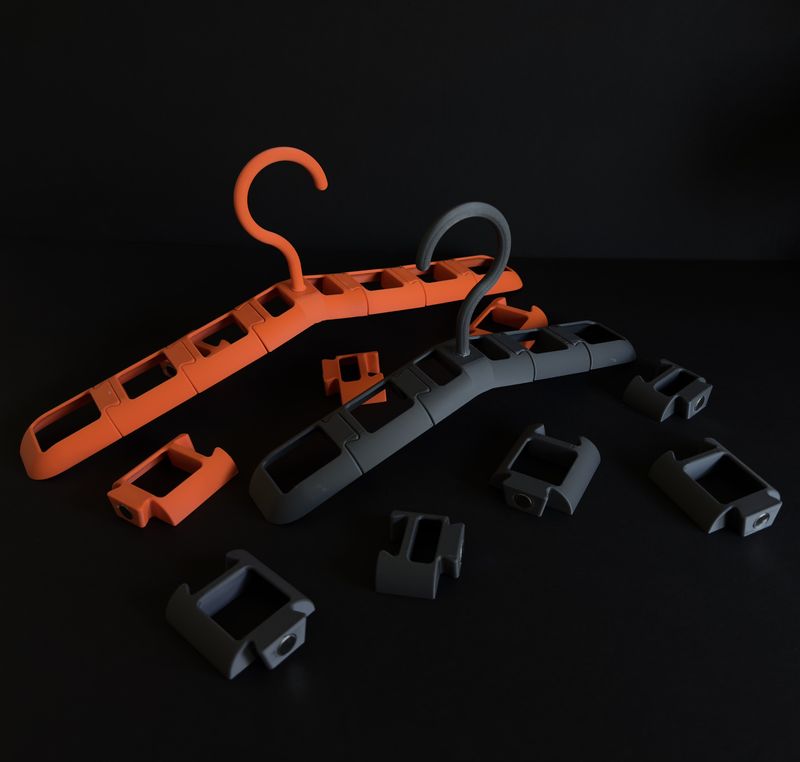
The first project: a hanger. Standard hangers are built to a narrow standard — too narrow for larger frames, too fixed for a kid who won't stop growing. Streamline Labs' answer is TactiHang: a modular, adjustable hanger system engineered to fit the person, not the other way around.
TactiHang set the pattern that every project since has followed — notice where a common object quietly fails people, then prototype, test, and refine until it doesn't. The product line keeps growing the same way, one well-understood failure point at a time.
More recently, the same curiosity has been applied to virtual problems. The expansion into software development and prototyping came from noticing that digital tools fail people in the same quiet ways physical objects do — and that the fix responds to the same method.
If you've got a product problem of your own — an idea, a prototype that needs engineering rigour, a concept that needs to go from sketch to something you can hold or run — that's exactly the kind of project Streamline Labs exists for.